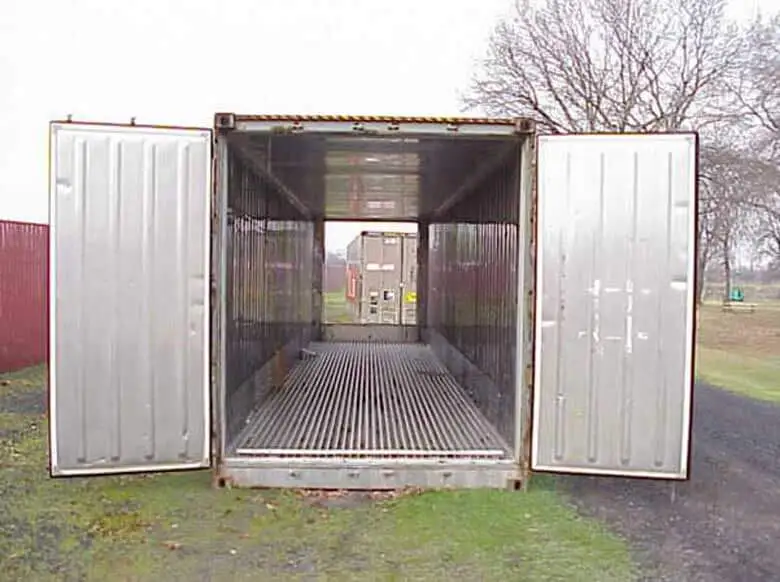
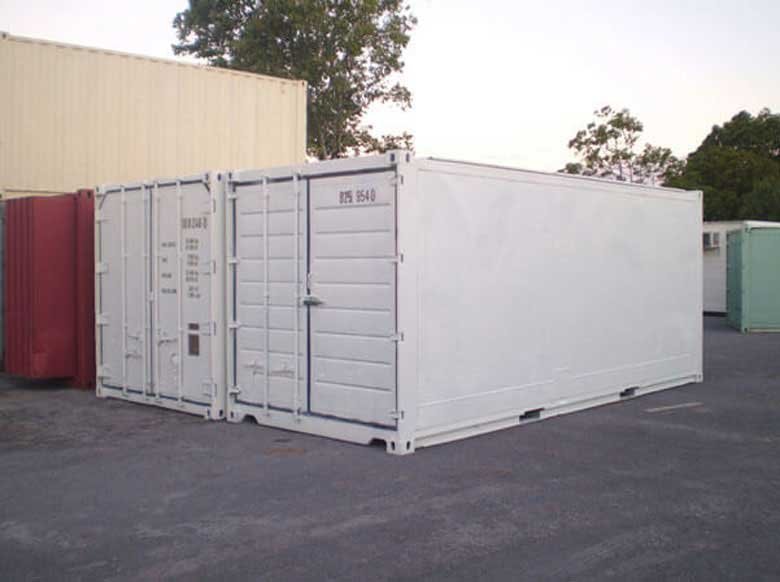
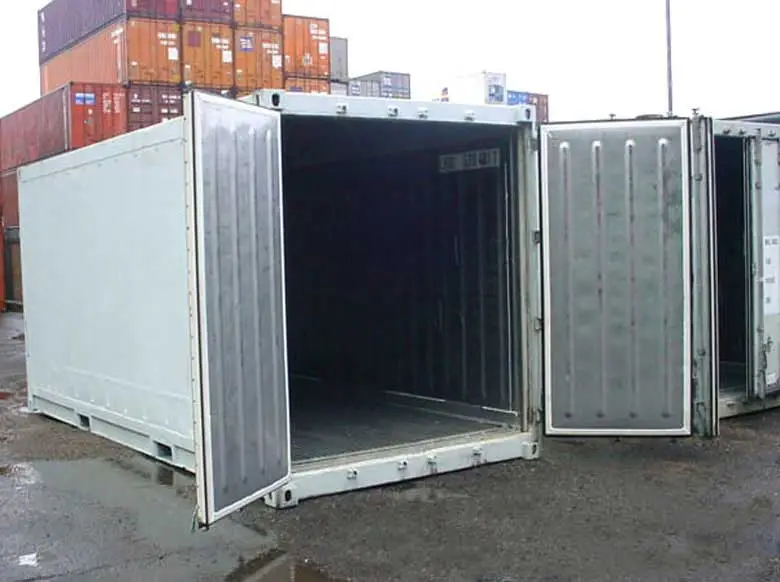
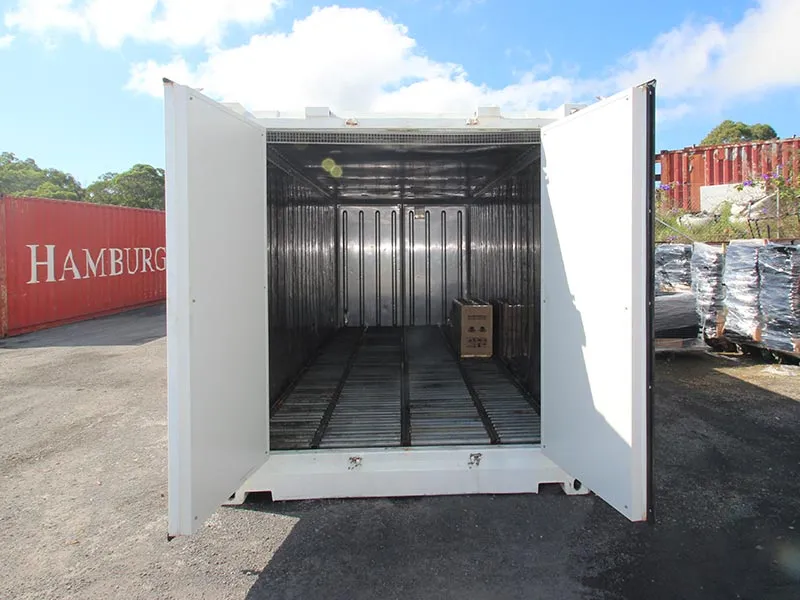
Description
Insulated Containers
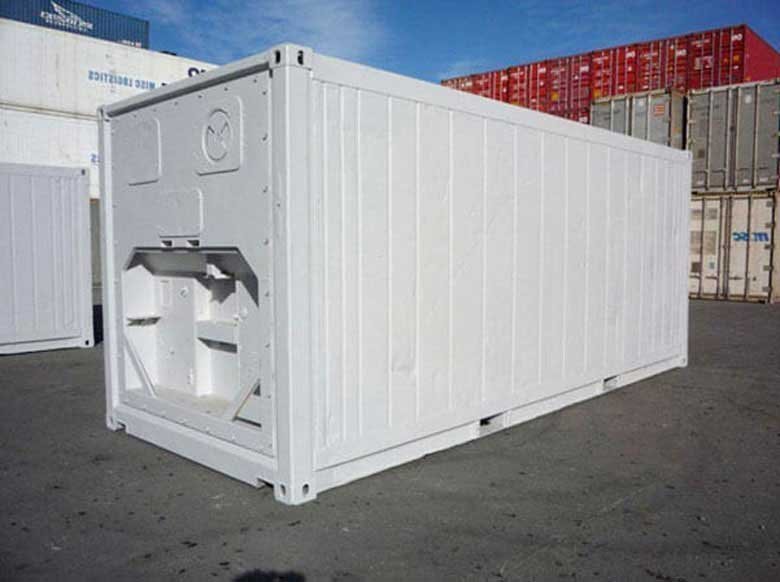
Insulated shipping containers are designed to maintain stable internal temperatures for temperature-sensitive cargo without requiring active refrigeration. Unlike refrigerated containers that rely on powered cooling systems, insulated containers utilize high-performance insulation materials such as polyurethane foam sandwiched between double walls to passively regulate internal conditions .
Key Features
-
Passive temperature control using double-wall vacuum insulation with polyurethane foam to minimize heat transfer and maintain stable internal temperatures
-
Airtight construction preventing moisture intrusion and reducing condensation risks to protect cargo quality
-
No external power source required, making them a cost-effective alternative to refrigerated containers for moderately temperature-sensitive goods
-
Temperature resistance capable of withstanding external temperatures ranging from -40°C to +70°C
-
Versatile applications suitable for pharmaceuticals, food products, beverages, chemicals, electronics, and other goods requiring temperature stability
Detailed Description
Insulated containers represent a mid-segment category between standard dry containers and refrigerated reefers . While reefers provide active temperature control through powered refrigeration units, insulated containers maintain the initial temperature of goods and protect interiors from external temperature fluctuations without requiring power .
The construction typically includes insulation materials such as polyurethane foam, fiberglass batts, or rigid foam boards installed between the container’s steel walls, creating a robust barrier against heat transfer . This design minimizes temperature fluctuations and reduces the risk of condensation, which can damage sensitive cargo .
Insulated containers are frequently used as a cost-effective supplement to reefers, particularly on short-distance routes or for goods that require stable ambient temperatures rather than precise, to-the-degree control . Businesses can also retrofit standard containers with thermal liners to convert them into insulated units on demand, offering operational flexibility and reduced logistics costs when active cooling isn’t essential .
Technical Specifications
-
Insulation Materials: Polyurethane foam, expanded polystyrene (EPS), extruded polystyrene (XPS), or fiberglass batts
-
Exterior Construction: Cor-ten steel for structural integrity and corrosion resistance
-
Interior Finish: Smooth, easy-to-clean surfaces suitable for various cargo types
-
Temperature Range: Maintains stable internal temperatures in external conditions ranging from -40°C to +70°C
-
Power Requirement: None (passive insulation only)
-
Door Type: Standard cargo doors with weather-tight seals
-
Ventilation: Designed to minimize moisture accumulation while maintaining airtight integrity
-
Certification: CSC and ISO compliant
Intended Use
Insulated containers are suited for the following applications:
-
Transport and storage of pharmaceuticals, vaccines, and temperature-sensitive medicines
-
Food and beverage shipping where temperature stability is required
-
Chemical transport requiring moderate temperature control
-
Sensitive electronics and equipment protection from temperature fluctuations
-
Agricultural products and horticultural goods
-
Short-distance shipping routes and rail transport where reefers may not be cost-effective
Insulated containers are particularly suitable for goods that need protection from extreme temperatures but do not require the precision of active refrigeration, offering a practical alternative to more expensive reefer units .
Package Includes
-
Insulated shipping container
-
Insulated walls, floor, and ceiling
-
Standard cargo doors with locking bars
-
ISO corner castings (8 total)
-
Forklift pockets (4 positions)
-
CSC certification plate