Description
20ft Refrigerated Container
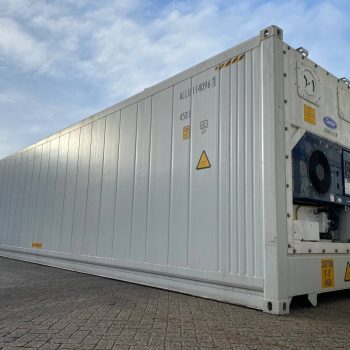
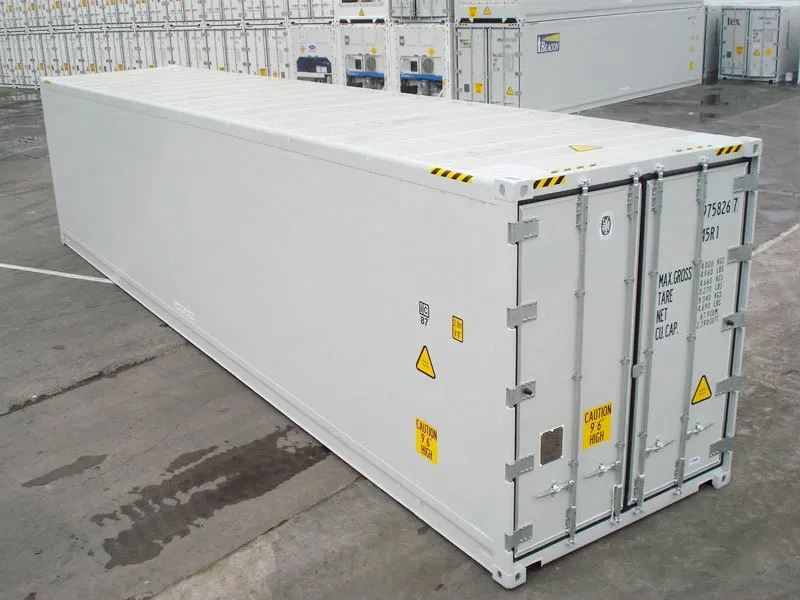
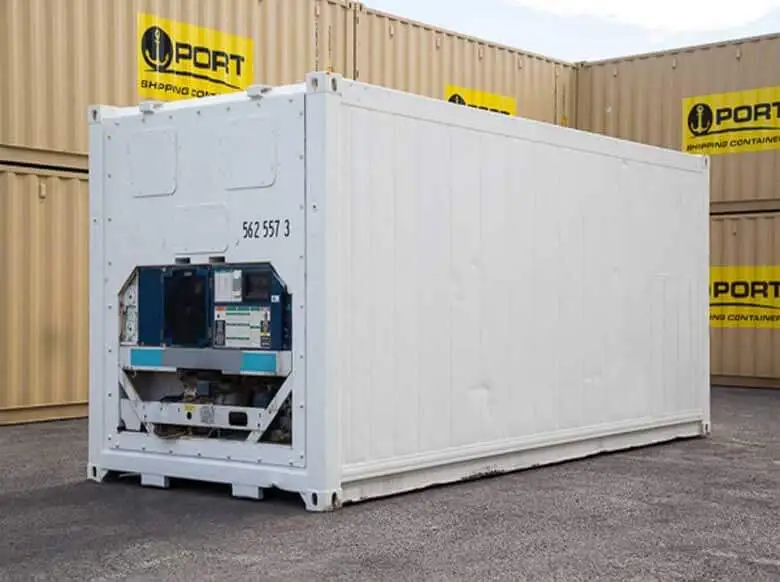
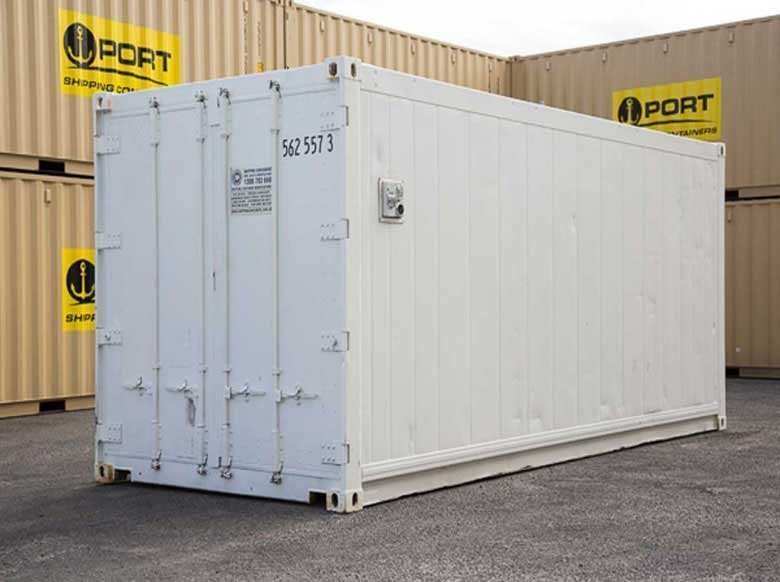
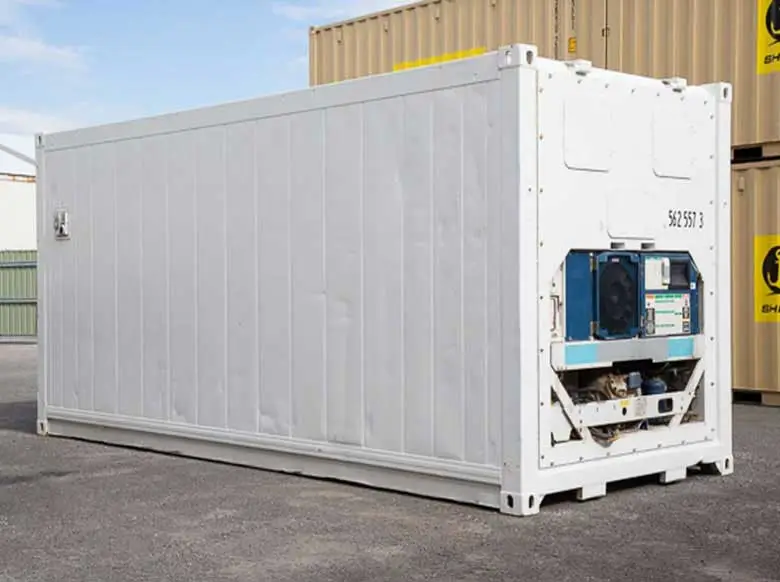
This 20ft refrigerated shipping container, commonly known as a reefer, is an insulated unit equipped with an integral refrigeration system. It is designed for the transport and storage of temperature-sensitive cargo, providing a controlled environment for a variety of goods, including food products and pharmaceuticals.
Key Features
-
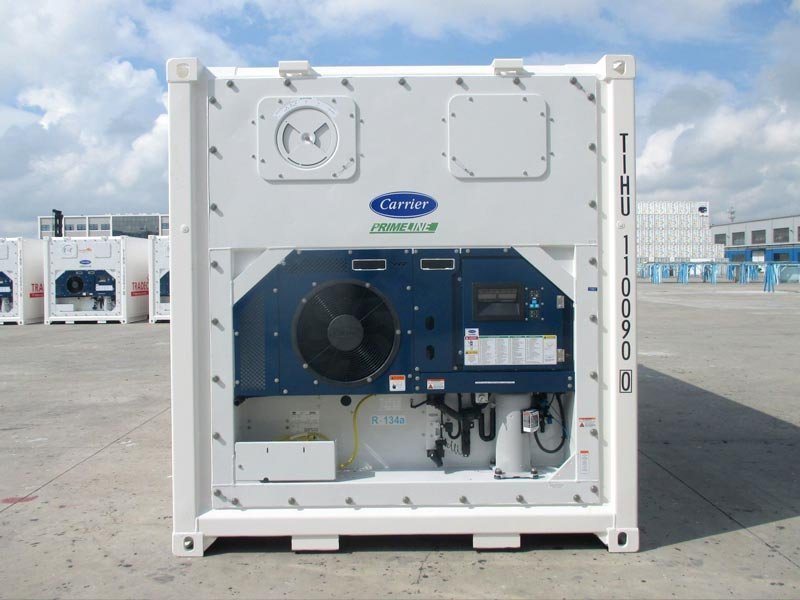
Integrated refrigeration unit with digital temperature control for precise climate management
-
Wide temperature range from -35°C to +30°C to accommodate chilled or frozen goods
-
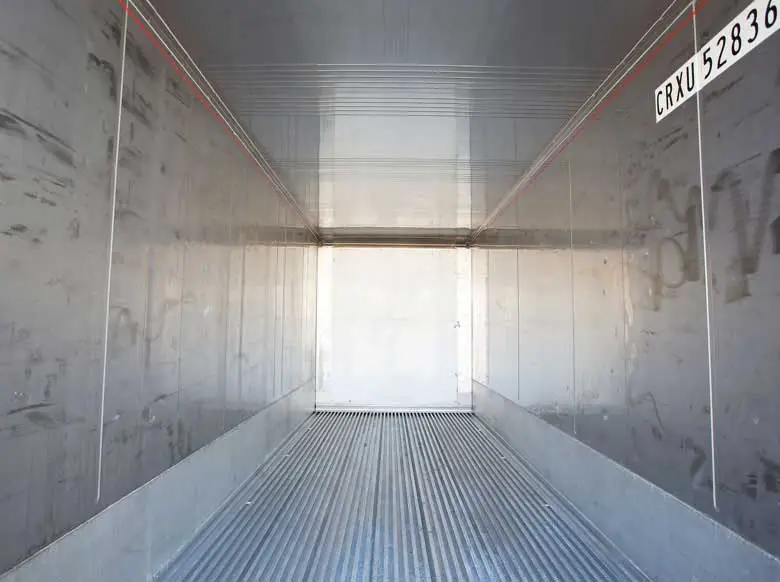
Stainless steel interior lining for improved hygiene, durability, and corrosion resistance
-
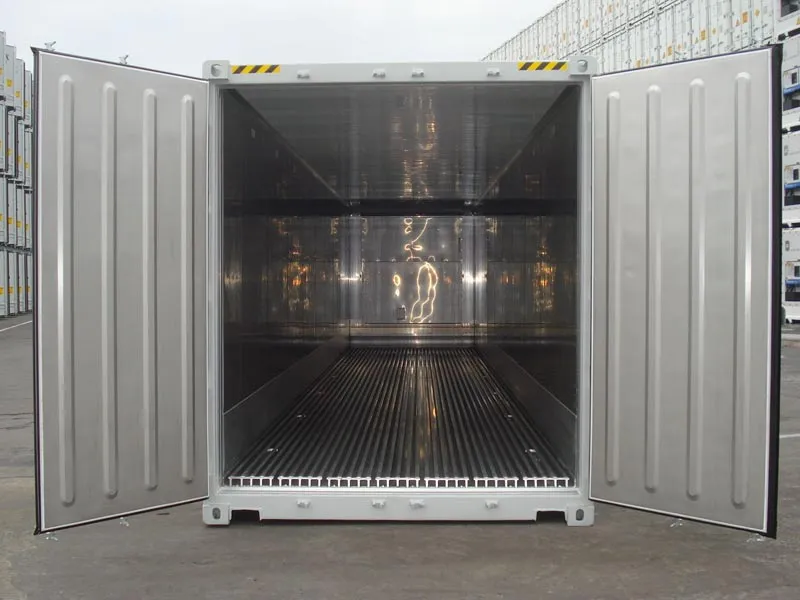
T-bar flooring system designed for optimal air circulation beneath and around palletized cargo
-
Comprehensive insulation with polyurethane foam in walls, ceiling, and floor to maintain thermal efficiency
-
Air circulation system ensuring uniform temperature distribution from floor to ceiling with top airflow
-
CSC certification for regulatory compliance and intermodal transport compatibility
-
Forklift pockets and ISO corner castings for ease of handling and positioning
Detailed Description
The 20ft refrigerated container is constructed with high-performance insulation to minimize heat transfer and maintain stable internal temperatures . The integral refrigeration unit, typically from Carrier, Thermo King, or Daikin, operates on a three-phase power supply and is managed through a digital interface for accurate temperature adjustments .
The T-bar flooring system is a critical design feature that allows cold air to circulate freely beneath palletized goods . Combined with corrugated side walls that facilitate airflow, this ensures the entire cargo area maintains uniform temperature. The interior also features a stainless steel lining that is easy to clean and highly resistant to corrosion, essential for food-grade and pharmaceutical applications .
These containers are commonly used for both active shipping and as a cost-effective alternative to building permanent cold storage facilities for on-site warehousing .
Technical Specifications
| Specification | Metric | Imperial |
|---|---|---|
| Internal Length | 5.44 – 5.72 m | 17 ft 10 in – 18 ft 9 in |
| Internal Width | 2.28 – 2.29 m | 7 ft 6 in |
| Internal Height | 2.01 – 2.27 m | 6 ft 7 in – 7 ft 5 in |
| Door Opening Width | 2.23 – 2.29 m | 7 ft 3 in – 7 ft 6 in |
| Door Opening Height | 2.10 – 2.27 m | 6 ft 10 in – 7 ft 5 in |
| Cubic Capacity | 26 – 28.3 m³ | 918 – 999 ft³ |
| Temperature Range | -35°C to +30°C | |
| Power Supply | 3-phase, 380-460V | |
| Approx. Tare Weight | 2,550 – 3,120 kg | 5,620 – 6,880 lbs |
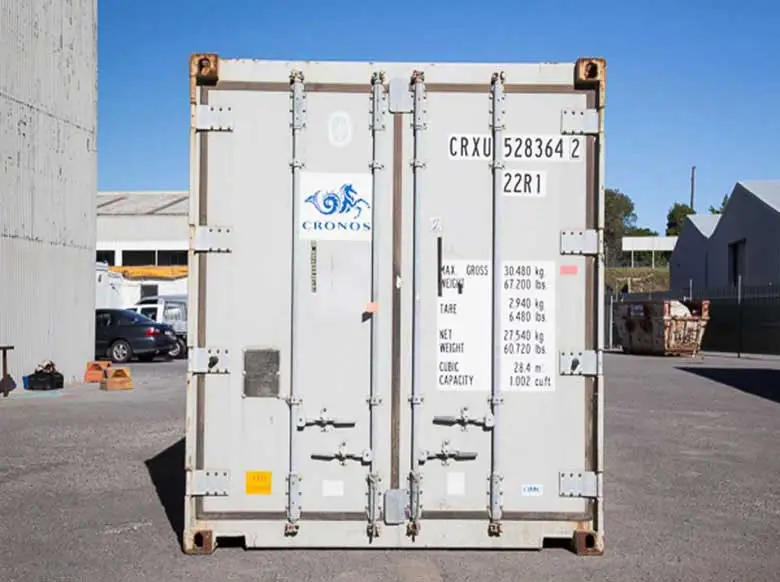
| Max Gross Weight | 30,480 kg | 67,200 lbs |
| Max Payload | 21,450 – 27,360 kg | 47,290 – 60,320 lbs |
Intended Use
This container is suited for the following applications:
-
Chilled or frozen storage of perishable food products, including produce, meat, and dairy
-
Cold chain logistics for pharmaceuticals, vaccines, and biologics
-
On-site cold storage for events, food service, and industrial operations
-
Transport of flowers, horticultural products, and other sensitive agricultural goods
-
Temporary or permanent cold storage in locations without built-in refrigeration infrastructure
Package Includes
-
20ft refrigerated shipping container
-
Integral refrigeration unit with digital control panel
-
T-bar flooring system
-
Stainless steel interior lining
-
Double cargo doors with locking bars
-
CSC certification plate