
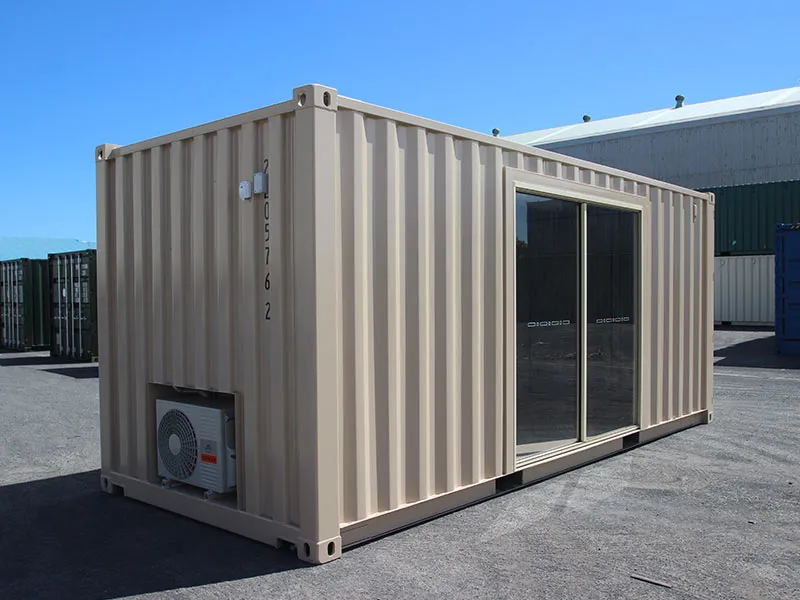


Description
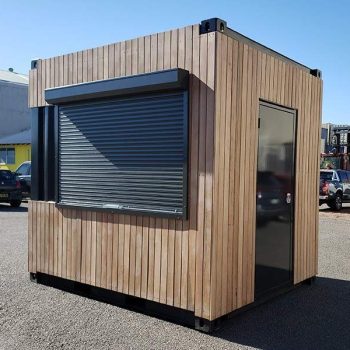
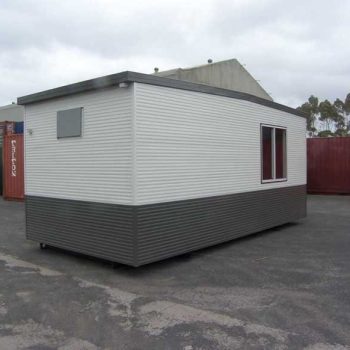
Accommodation Containers are shipping containers turned into living spaces. They are a fast and affordable way to house people on work sites, at events, or in remote locations.
What Are They?
These are steel shipping containers (like 20ft or 40ft boxes) that have been converted. They are no longer for cargo. Instead, they become ready-to-use bedrooms or small living units.
Why use a container?
-
Fast: They can be delivered and ready in days.
-
Affordable: Much cheaper than building from scratch.
-
Strong & Secure: The steel box is tough and can be locked.
-
Moveable: They can be taken to a new site when needed.
Types and Sizes
| Size | Sleeps | Best For | What’s Inside |
|---|---|---|---|
| 10ft Unit | 2-4 people | Foremen, small teams. | Bunk beds, heat, light, storage. |
| 20ft Dormitory | 4-8 people | Most common size. Crew housing. | Several bunk beds, lockers, heating & AC. |
| 40ft En-Suite | 4-8 people | Managers, better standard. | Private rooms, with toilet and shower. |
Larger Sites: Many containers can be joined to make a big camp with dorms, bathrooms, and a common room.
What’s Inside a Standard Unit?
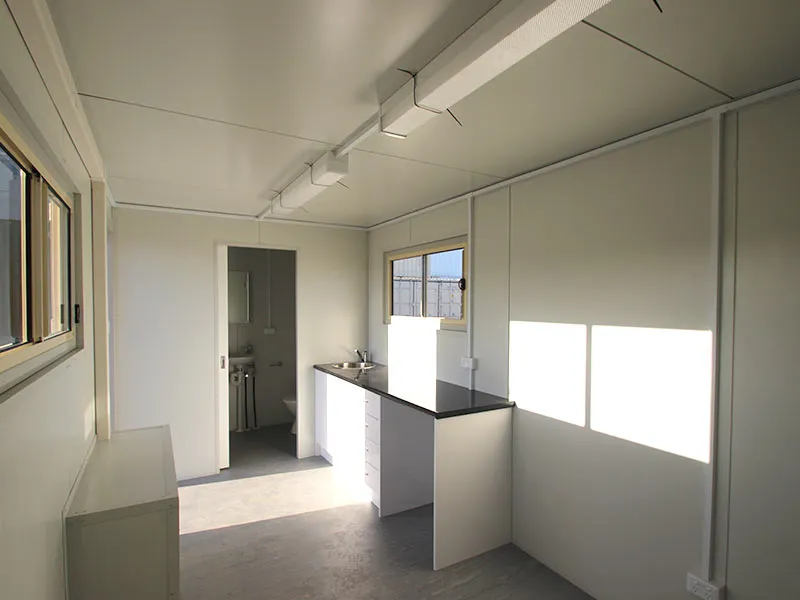
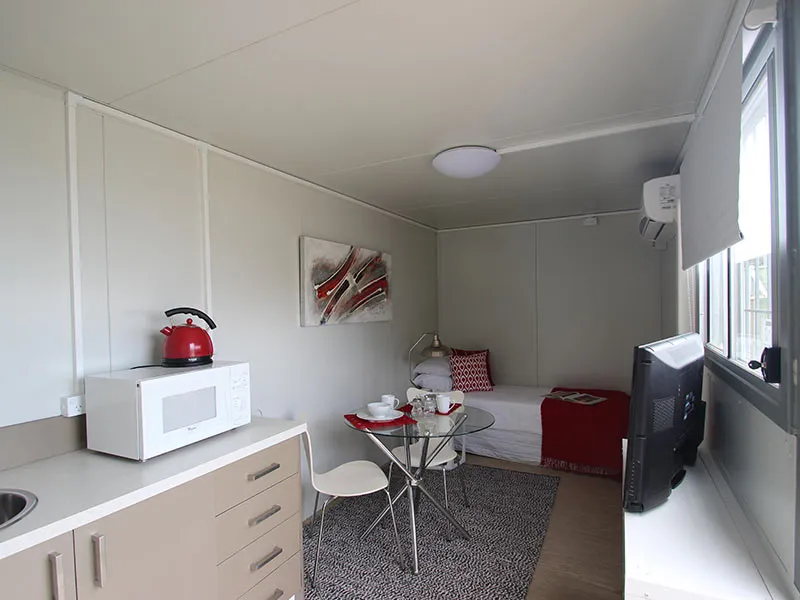
A good unit will have the basics for living:
-
Beds: Sturdy bunk beds with mattresses.
-
Heat & Air Conditioning: To stay comfortable in summer and winter.
-
Insulation: In the walls to keep temperature steady and block noise.
-
Lights & Plugs: Good lighting and power outlets for phones etc.
-
Storage: Lockers or cupboards for personal items.
-
Safety: Smoke alarm, fire extinguisher, and clear exit.
Better units can add: A small toilet/shower, a kitchenette with a fridge, or Wi-Fi.
Who Uses Them?
-
Construction Sites: For workers on remote or long projects.
-
Events & Festivals: For staff, security, and artists to stay on-site.
-
Emergency Housing: After floods or storms for quick shelter.
-
Farms & Mines: For seasonal workers or remote operations.
-
Schools: Temporary housing during building work.
Should You Rent or Buy?
Rent if:
-
You need them for a short time (under 2 years).
-
You don’t want to fix them if they break.
-
Your needs might change.
Buy if:
-
You need them for many years.
-
You want to customize them exactly how you like.
-
You will use them at more than one site you own.
5 Things to Check First
-
The Rules: Check local laws about housing people. There are rules about space, safety, and facilities.
-
Your Site: You need a flat, solid spot for delivery. Check access for a big truck.
-
Water & Power: Plan how to connect electricity, water, and drainage (for toilets).
-
What You Need: Decide how many people, what furniture, and what extras (like showers).
-
Total Cost: Remember to budget for delivery, setup, connections, and any monthly fees.
Container vs. Building a Hut
| Need | Accommodation Container | Building a Site Hut |
|---|---|---|
| Need it fast? | Yes. Ready in days/weeks. | No. Takes months to build. |
| Planning to move it? | Yes. Easy to relocate. | Very difficult. |
| Strength & Security | Very strong. Steel walls. | Less strong. |
| Cost for a good standard | Predictable, mid-price. | Often more expensive. |
How to Get Started
-
Plan: Count how many people need a bed and for how long.
-
Call a Supplier: Find a company that makes these units. Ask to see photos of their work.
-
Get a Quote: They will give you a price and drawings of the unit.
-
Prepare Your Land: Make the ground level and ready for delivery.
-
Delivery & Setup: The company delivers and places the units. You connect the water and power.
Final Advice
Accommodation containers are a smart choice for temporary housing. They are quick, tough, and get the job done.